If you’ve ever tried explaining TikTok to a Boomer, wondered why all questions can now be answered with 6-7, or asked a Gen Z colleague why they hate the Thumbs Up Emoji👍🏼then you already know: intergenerational conversations are…very interesting.
In a world where everything is changing faster than ever before, learning to converse across generations isn’t just a nice thing to do, it’s downright essential. Our workplaces are changing before our eyes, and we hate to say it, but without this skill, you could find yourself being left behind.
Why is this even a thing?
Intergenerational communication preferences have been moulded by many factors including upbringing, social context and environment, and massively, technological influences.
A recent study found that employees generally considered Baby Boomers the generation with the most different communication style. However, Generation Z is considered the most difficult generation to work with, and this is where the dreaded ‘snowflake’ title was born.
We know that diversity is powerful in teams, but when it also creates conflicting communication styles this can lead to misunderstandings, wasted time, and even workplace conflicts. The report showed:
- Misinterpretation: 43% of workers surveyed across the UK, USA, Canada, Germany and Australia, said that misinterpreting tone or context is the largest problem with generational gaps.
- Tech tool conflicts: varying levels of comfort and proficiency with digital tools can create barriers to collaboration. 50% of workers aged 50+ reported feeling irritated when younger colleagues did not have a pen. 65% believe older colleagues have a difficult time using new technology.
- Expectation misalignments: varied expectations around response times, messaging etiquette, and communication norms can lead to friction and inefficiencies. 33% of workers stated that different expectations about response times created a communication problem.
Every Generation Brings a Superpower (and a Quirk)
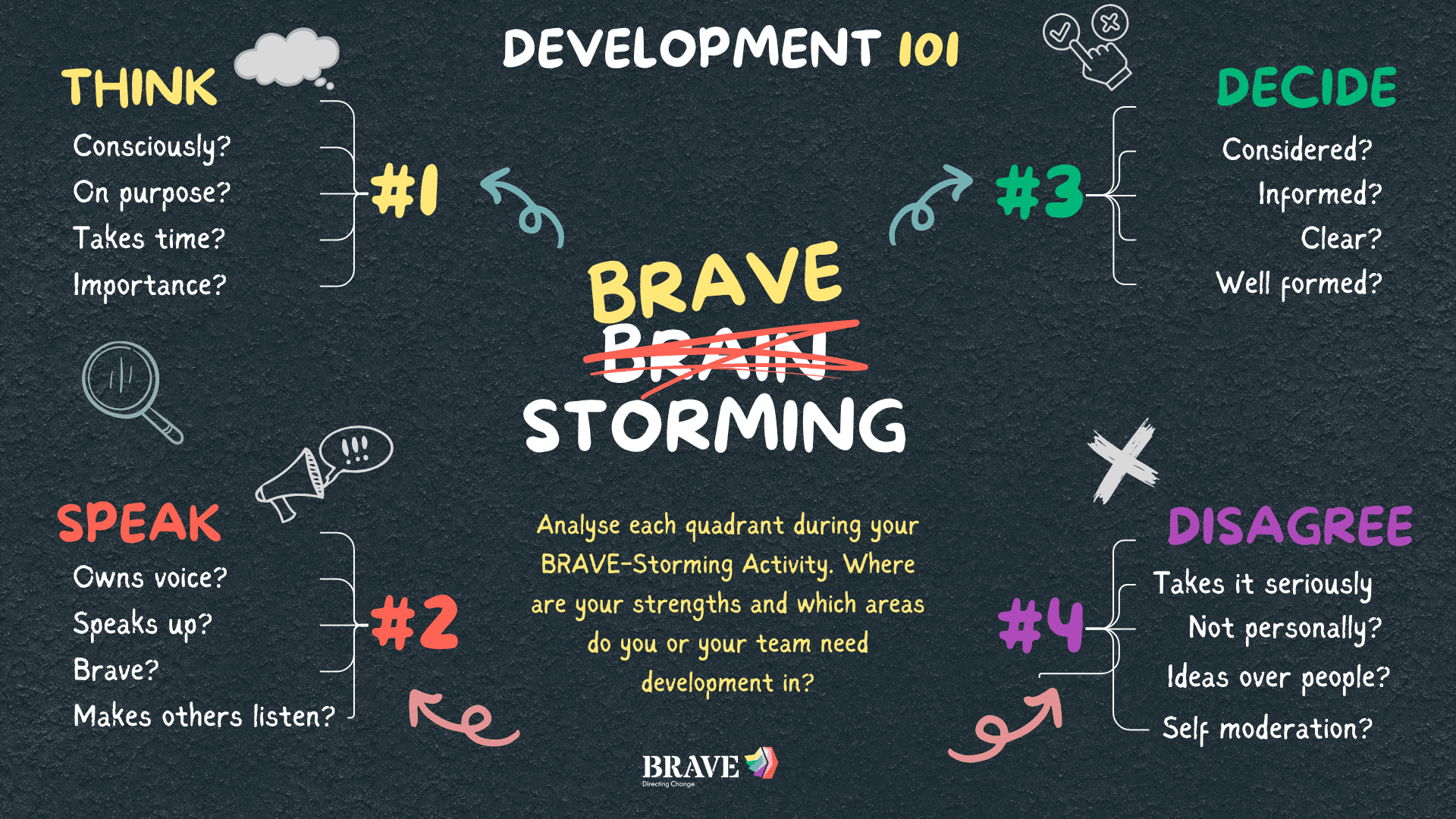
We think this can be supported with the use of BRAVE Conversations. Firstly, understanding the different types can give you a huge insight.
Boomers? They’ve lived through enough economic cycles to qualify as human history books.
Gen X? Masters of independence and the original “I’ll just figure it out” energy.
Millennials? Walking empathy machines with a side hustle for every mood.
Gen Z? Tech‑native futurists who can spot inauthenticity at 400 metres.
And let’s not forget the new kid on the block.
Gen Alpha. This generation is now appearing into the workforce with first time jobs at 16. Known for being digital natives, even more so than Gen Z, having been born into a world that is fully integrated with technology, social media and truly global connection.
Put them all together and you get a powerhouse. Or chaos. Sometimes both.
But stereotypes get in the way. We’ve all heard “kids these days,” the “dinosaurs at the top,” the “why does everyone keep saying slay” comments. These assumptions shut down curiosity before the conversation even starts. When you have BRAVE conversations it makes you drop the stereotypes and meet the actual human in front of you.
Listening: The Most Underrated Courage Move
Real listening — not the “waiting for your turn to talk” kind — is basically a superpower. It’s how we learn what shaped someone, what they fear, what they hope for, and why they insist on using email signatures with inspirational quotes.
When we listen across generations, something magic happens:
• Wisdom gets shared
• Assumptions get dismantled
• Empathy sneaks in and makes itself at home
Knowledge Transfer: The Ultimate Two‑Way Street
Mentorship isn’t just the seasoned pro teaching the newbie how to navigate office politics without a minor breakdown in the sationery cupboard. It’s also the newbie teaching the seasoned pro that “the cloud” is not, in fact, a weather pattern.
Everyone wins with BRAVE Conversations.
Businesses thrive when they stop treating generational differences as a problem and start treating them as a creative engine with potential. Communities strengthen. Relationships bloom. Brave conversations (and disagreements) become the norm.
Creating Spaces Where People Can Actually Talk
If we want intergenerational conversations that don’t end in eye‑rolling or passive‑aggressive WhatsApp messages, we need spaces where people feel safe to speak and safe to be wrong.
That’s where BRAVE conversations come in — the kind where:
• Every voice matters and it’s safe to speak up
• Curiosity beats certainty and disagreement is encourgaged
• Differences aren’t threats, they’re invitations to learn more
.• Decisions are well formed and well informed
• Thinking about your thinking is the norm
Why This Matters Now
We’re living in a time where the past, present, and future are all happening at once. The pace of change is wild. The uncertainty is real. And the need for connection is louder than ever. Intergenerational conversations help us learn from what came before, make sense of what’s happening now and of course prepare for what’s next.
When we choose to ignore differences and assumptions, and instead embrace what they might mean it gets us onto the same page. Bravely, intentionally and imperfectly.
We can help you and your teams with BRAVE Conversations. Reach out if you’d like to explore it.
You can download your FREE Intergenerational Infographic below: