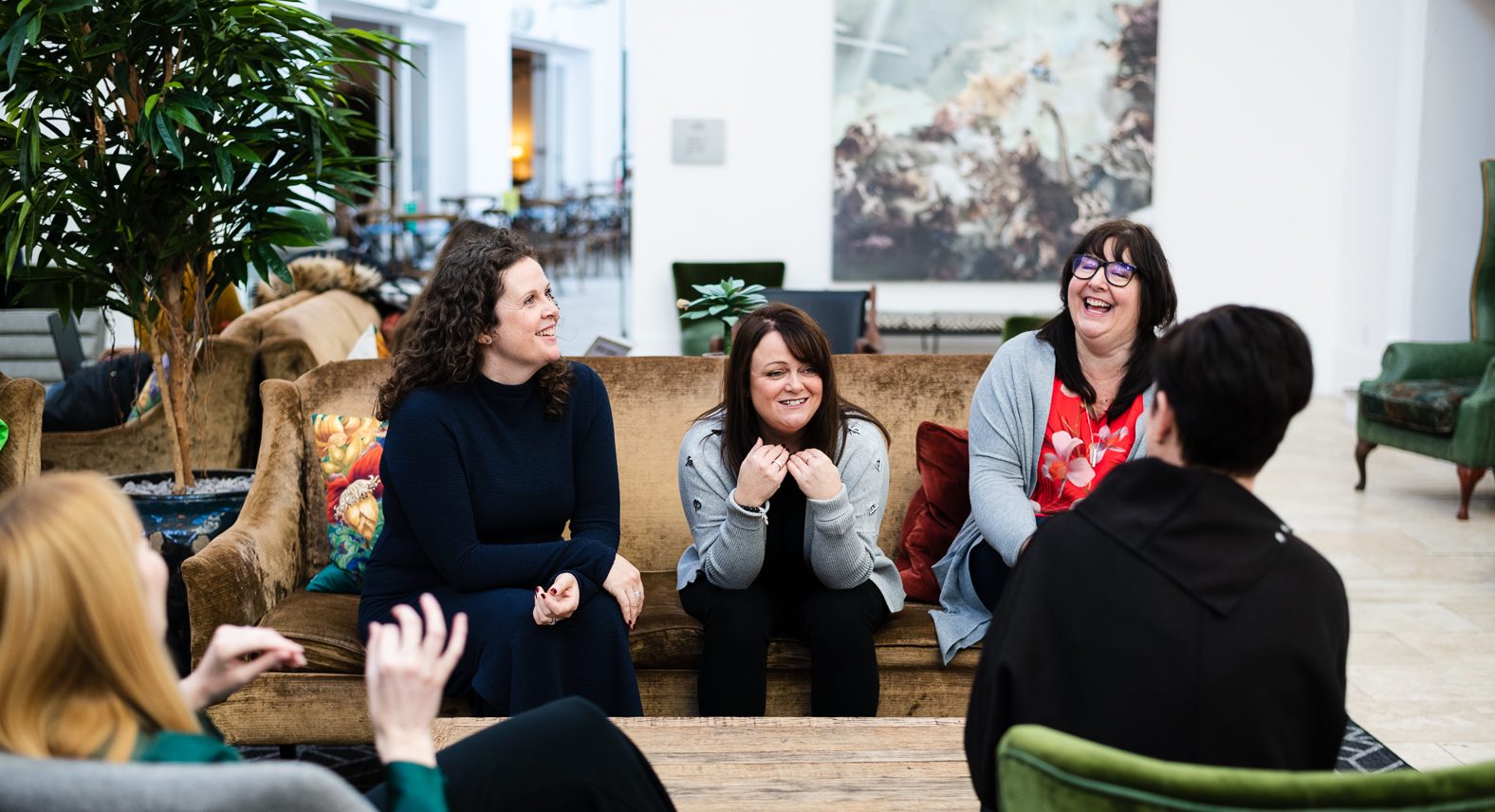
Sisterhood works!

We recently took advantage of the exceptional hospitality at AllBright for one of our planning sessions. If you haven’t discovered this secret yet, they celebrate the community and connection of smart-thinking women. We loved it and took one step closer to being ready to share BRAVE with all of you. 

Is it ok to have compassion for yourself?

“To love oneself,” wrote Oscar Wilde, “is the beginning of a life-long romance.”

The answer, if you haven’t already guessed it, is a big YES.

For most of us, it still feels a little foreign, but if you don’t show yourself some self-compassion then you’re probably in for a bumpy ride.

When things are going well, self-compassion is generally pretty easy. We’ve all been there. The going looks good and therefore it is very easy to feel good about what you’re doing.

It’s when things aren’t going to plan that we tend to forget to bring compassion for ourselves and instead replace with fault finding, criticism and negativity.

In the world we live in now self-compassion is super important. A simple concept that came from Buddhist psychology explains it in easy terms. It teaches us that self-compassion has 3 elements, 1. self-kindness, 2. common humanity and 3. mindfulness.

Being KIND to yourself is important. Especially at work, which is often where our stresses and pressures can be felt the most.

Self-Kindness

The next time something doesn’t go to plan, and you start to listen to the internal dialogue we all have that helps you to understand what’s happened. STOP. Just for a second or two and try to imagine what you would say to your best friend if this had happened to them or try imagining how you would phrase it to the newest member of the team. Chances are you would find a kinder way to say it than you were about to. It’s natural to be hard on yourself, but its not healthy so just try to be kinder with the voice in your head.

Common Humanity

To give you a simple sense of common humanity. It’s recognising that everyone makes mistakes, and no one is without their weaknesses. No-one is perfect (not even that John in Accounts who never seems to mess up). We are human beings and we make mistakes. Learning to accept that you are not alone in your errors can comfort you by feeling inclusive instead of feeling alone. Once again, think how you would advise others in the same situation to get some perspective.

Mindfulness

Mindfulness can sometimes conjure up images of lunchtime yoga and downward dog poses, and whilst they are in fact useful as part of mindfulness, they’re not essential. We simply suggest that you allow yourself some extra time to think, and consider how what is happening right now, in the moment, could impact others and you. It’s too easy to get caught up in what’s happening and lose perspective and mindfulness can help you calm things down. It could be that you give yourself a ten-minute breather when things are tough, or that you postpone making a decision immediately so that you can consider all the implications first.

Build your skills

One way to build stronger skills when it comes to these topics is to up-skill yourself. Get yourself onto some training courses that help you with the hard stuff. Learn to handle conflict, disagree well, think differently and creatively and learn to build your brand positively. A huge part of human development is constant learning, and at Well Prepared Training we can help. Check out our KIND page to see how.

Final thought.

Ask yourself this question. What do I need to make me feel good?

We went on a Microsoft Road Trip!

As we grow in size we’re committed to making sure the infrastructure we have around us can support both our clients and our own team to make sure we are at our best all of the time. 

We visited our friends at Microsoft today and enjoyed a training session  inside their stunning full training suite. We experienced truly fantastic, helpful training by Abdulla who was easily able to help us see how their tools can support our plans for Well Prepared Training’s growth. 

A great day, highly recommended. 

Blended Learning – Getting the Mix Right

Technology is changing the world. And fast. Not a day goes past without a new piece of software, tech or app arriving into our lives. At We Are Brave we’re constantly looking out for how this can help people learn.

For trainers and those who teach, the impact of this has been huge. In the last 18 years, technology-driven learning has completely changed the training landscape. For the better.

For some of you reading this of a certain age, (not us of course, we’re all spring chickens – cough cough), you might remember Overhead Projectors and the incredibly thin transparent acetate sheets that you hand drew with marker pens as a pre-cursor to PowerPoint. At the time, these were the latest thing. We did not mourn when these faded away. If only the pen stains on our fingers had faded so fast.

Nowadays most businesses worth their salt will always look for a blended learning solution of some sort, whether it’s using their own tools, external suppliers, or simply utilising the resources that have been gifted to us by the introduction of the world wide web.

While most businesses we work with are not fully abandoning the conventional modes to solely favour online learning, blended learning is emerging as a preferred route. Making sure that learners have access to the right skills and knowledge to meet the business requirements and goals, companies are choosing blended learning because they realise that plain, non-interactive online or standalone face-to-face training sessions just don’t do it anymore. 2020 forced the world to fully embrace virtual learning and made Zoom and Teams household names that every adult and child now know. It’s changed the game for learning, and with it, the opportunities to blend.

SO, WHAT IS BLENDED LEARNING ANYWAY?

In a nutshell. A blended learning program should contain some media, some human touch, some classroom elements and some web-based training. It basically makes the most out of all the elements available and therefore engages learners with different styles and keeps learning fresh and interesting. It can even mean fully online virtual classroom training…more likely if you’re one of those lucky people with a super strong, faster than a speeding bullet 5G signal! More and more we now see whole programs being delivered totally online.

We utilise the amazing wealth of content on YouTube and create curated video playlists to be used before attending a session. This can all happen at the learner’s pace and before we ever meet them, on any device they choose to use.

We work hard to keep our content up to date, relevant and engaging. We use PowerPoint, but we do it in a way that engages and supports rather than taking over and causing sleep paralysis. We always include interactive activities, face to face, video learning and engaging case studies to bring the learning to life. We also help to keep learning alive by providing follow up content in the forms of useful links and videos.

One of the latest things we have worked on with clients is the use of chat groups, quizzes and voting with cohorts of training courses both pre-courses, during and post course. Software like Teams allows us to communicate better, engage and chase progress and even the ability to share videos and short clips to the group to help them learn.

This kind of chat software feels natural these days, and comfortable for most learners. We have even started sharing the post course surveys via this medium to make it a seamless experience for the learners. And all in one place.

WHY ARE WE DOING IT?

There are many reasons – one of which is that we move with the client and learners – we won’t be left behind!

We know that every learner’s needs are different and it’s important for us to try to meet everyone’s needs so our course to be effective. We also know when to use it, and when to stick to the old-fashioned way – sometimes it just works!

At We Are Brave we know that blended learning brings a stack of benefits for trainers and learners and it is worth its weight in gold. With blended learning, trainers are better able to bridge knowledge gaps and help learners reach their full potential. We’re not saying we are leading the industry, not by a long shot, but we are playing the game and adapting to give the best offer we can to our clients and their learners.

IN SUMMARY

The world is changing, you must change with it.

Nowadays you can watch a YouTube video on how to do pretty much anything. We can all now fix the unreliable pilot light on a boiler, that would have cost a call out fee 3 years ago. All by watching a step by step video. The way people learn is changing. If you want to improve information retention, engagement, and learning then blended learning is more important than ever.

But please, please, never bring back the Overhead Projector. It’s dead to us.

The growing need for Soft Skills.

Soft Skills. Hmm. We always thought that sounded a little weird, but you know what we mean, soft skills are the personal attributes, personality traits, the social cues, and ways people communicate that are needed for success on the job. Soft skills generally characterise how a person interacts in their relationships with others. So when you think about it, they’re kind of important.

Technology is evolving the way businesses operate through automation and even artificial intelligence, and this means that the future of work will include jobs that don’t exist at all today. Now for some, this instils a deep sense of panic and makes them think of evil robot overlords taking over and enslaving the human race. That’s unlikely to happen.

As this automated transformation starts, one thing we do know is that soft skills like creativity, agile thinking, adaptability, decision making, communication and collaboration will always stay in high demand. A robot, computer or automated system won’t be able to bring these skills to the workplace (at least not yet!)

One thing to bear in mind, no matter how far you are down the automated technology journey, is that research shows that gaps in soft skills already exist across most businesses and industries and the best way to resolve this is by providing a variety of forms of training.

Research also tells us that soft skills are not learned in one session, instead, to make sure these skills stick and get embedded then your people need multiple training experiences over a longer period to learn and practice them. The future needs a continued focus on soft skills training, and at Well Prepared Training we’ve created comprehensive learning solutions to develop this critical skill set for you.

And right now, we don’t need to plug our trainers in to charge, update their software or worry about malware. Yet.

Think we can help you? Start the conversation today.

How Micro can learning actually go?

Pretty small apparently!

According to some recent research from industry analyst Josh Bersin, the average employee can only allot 1% of their daily schedule to training. That’s only 24 minutes each day!

As technology races along and makes yours, and other peoples lives faster and more productive, it seems like there just wont be time for effective training anymore..? Or will Microlearning save the day?

At Well Prepared Training we think that the way we train and deliver for our clients means we’ll be around for a little while longer yet, but the topic is interesting nonetheless. 

Microlearning is the latest innovation that offers employees small bits of information (usually no more than two to three minutes) that can be immediately be read, watched or digested in some way and then adapted into their working lives. It’s often concise, engaging, almost story like in its style and generally a real life example. What’s not to like?

This could be as simple as a one page document placed on a desk or a short video explaining how to use something within the business. On a training course we might utilise Microlearning by setting a quick time-bound exercise to get the delegates ready for something coming up that we haven’t got enough time to cover in detail. 

Through Microlearning, your people can continuously improve in their work without sacrificing too much of their time each day. If you use TEAMS or Slack you could send a link, an image or even a Meme. You could post a quick video or set a challenge to learn something new in the fastest time. 

When you think about your business, and how your people learn, do you think Microlearning would work for you?

If you think we could help you with this, and any other learning solution then get in touch.

Start the conversation today. 

What does BRAVE mean to you?

What do you imagine in business when you think BRAVE?

We love BRAVE. It’s one of our values and at the core of everything we do.

For you, what does it mean?

A tough decision? Standing up for what is right? Speaking out? Taking a risk? 

For us, BRAVE is a methodology to help senior leaders and decision makers recapture the art of ‘disagreeing well’.

We help you do this through a programme designed to help you:

BE BRAVE AND KIND

THINK CLEARLY AND DIFFERENTLY

SPEAK SO PEOPLE WANT TO HEAR

DISAGREE WELL

MAKE WELL FORMED DECISIONS

If you think we can help you and your senior teams be BRAVE then start the conversation today. We’d love to help.

Well Prepared Training – Our Values

When you work with us, we work hard to live up to our own values, and bring these qualities to you, your people and your business too.

Watch the super quick video to understand more about what drives us each day. 

We know that values matter. 

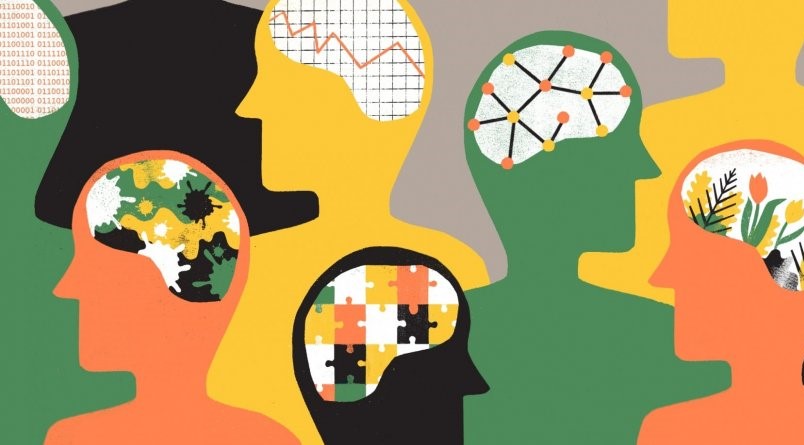
Do you know what personality type you or your team have?

Many businesses already realise that we’re not all robots who think the same (yet) and that means we are bringing our true selves to work, and that means a multitude of different personalities too.

At Well Prepared Training we embrace personalities and can help you understand and harness it to boost performance and relationships.

You can learn more about your personality type and strengths by using diagnostic tools like Myers Briggs MBTI and SDI to help understand yourself and the team around you.

Do you dare to disagree?

Do you dare to disagree at work?

Be BRAVE and kind

Think clearly and differently

SPEAK so people want to hear

Disagree well

Make well formed decisions