It’s nearly time to speak. Those lights are very bright. My mouths gone dry. Where are my notes? My head feels fuzzy. Am I sweating? I’m fairly sure I don’t even remember my own name. Is it me or is it suddenly hot in here…?
These, and many other unhelpful and often crippling thoughts run through the mind of many people before they need to speak in public. You are not alone!
At We Are BRAVE we aim to help you conquer those thoughts and put those fears to bed. In this article we look at some of the reasons why you might feel like that, and how you can overcome them.
We believe that if you understand the roots of this common fear it can help you master it faster and then learn how to grow your skills to speak in public like a pro and be BRAVE and beat the fear.
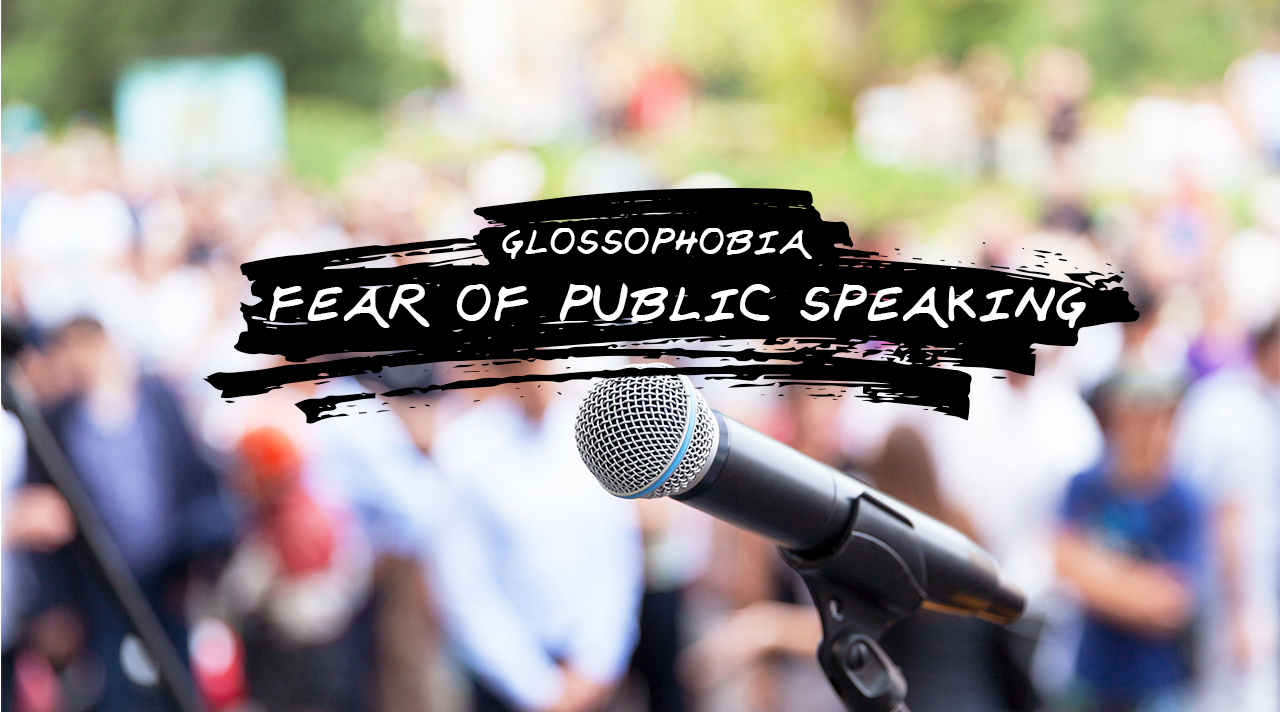
This lurking fear of which we speak, niggling us in the back of our brains, even has a fancy name, they call it ‘Glossophobia’- the fear of public speaking. Cool name, but a little bit difficult if you suffer from it. Most people don’t have it to this extent, but fear of public speaking is often cited as a biggest fear with approximately 25% of people saying that they experience it in some form or another.
In today’s world of work, communicating your ideas clearly, then presenting them in an engaging and confident way in a public forum, is becoming the norm. If you’ve already nailed that skill you will already know how much difference it can make, but if you haven’t got it yet, and that bully Mr Glossophobia’, is still in charge, it can make life hard. Do not despair. All is not lost, there are ways to beat it and we can help you do it.
Being a good public speaker can help you advance your career, grow your business, form strong collaborations and partnerships. Above all it can boost your self-esteem, skyrocket the confidence and give you power in your own voice. It can help you sell ideas and move people enough to take action on issues or want to be a part of something big. To do any of these things well requires a decent amount of standing up in front of any size of audience and delivering an idea, a story, a sales pitch, a piece of work or call to action. To do that, of course you must be able to get on your feet and speak in public.
So, why are we afraid of public speaking?
Fear of public speaking is not so much related to the quality of a speech or presentation as it is to how you, the speaker feels, thinks or acts when faced with speaking in public. There are many reasons why people become afraid when having to speak in public but in this short article we’ve picked out the 4 main culprits.
Our Physiology
Fear and anxiety trigger the autonomic nervous system in response to a potentially threatening stimulus. It feels frightening so our bodies react as they were programmed to. It’s time to fight or flight! This trigger leads to the horrible experience of fear and it then interferes with our ability to present information comfortably in front of audiences.
Some people are prone to nerves or anxiety, not just about public speaking. This article is about speaking, so let’s focus on that. For those where the anxiety is limited to public speaking situations, the physiological signs of fear they can experience as they anticipate, prepare and perform in public can be overwhelming. They may even fear the feelings of fear which gives you a double whammy to deal with.
Our Thoughts
Another factor is the internal dialogue we say to ourselves each day. Many people have preconceived beliefs about public speaking and about themselves as speakers. The fear often comes from when people overestimate the stakes of communicating their ideas in front of others, viewing the speaking event as a potential threat to their credibility, image and chance to reach an audience. If you’re saying to yourself that “I’m anxious, I’m nervous, I can’t speak in front of people, I might mess up”, then this in turn can trigger the fear you are trying to avoid.
The Situations
We all judge each situation differently because it means more or less to us, dependent on what we believe. For some, if you have a lack of experience in speaking in public this can make the situation worse. For others it might be how they are being evaluated on the speech they are giving. In some cases, it is related to the status of the people that you are presenting to and some people have more fear when the audience is completely new or unknown to them. Each situation can be overcome with training on structure, confidence and style.
Our Skills
Finally, a key factor that often adds to the fear of public speaking is how skilled you are in this area. Many people consider themselves to be naturally good speakers, but there is always room for growth. The people who work on their skills, instead of relying on natural talent, are the speakers who stand out the most.
At We Are BRAVE we develop those skills and make you feel that it’s ok to learn and practice in a safe, fun, adult learning environment.
We teach you how to structure your presentation, manage nerves, handle questions and audience interactions and give you direct feedback and coaching to increase your performance.
If you need help with Public Speaking and need someone to help you beat those demons and be your best self, click here to get in touch
Oh, and Mr Glossophobia. You might want to start job searching. Your days are numbered.
Sara Hickman